Independent technology adviser to the boards, owners and buyers of family businesses
Built to Change Hands
I’m Shane Williams, an independent technology adviser. I work with the owners and boards of family businesses on one question: how much of the business still runs on people, paper and know-how instead of systems anyone could pick up, and what that’s doing to your options.
Handing over to the next generation, appointing a CEO so you can step back to the board, taking on a partner, or selling outright. Every one of them goes better, and pays better, when the business runs on its systems rather than a handful of heads. Getting there is technology work, done at the direction-setting level: what to invest in, in what order, and whether what you’re being asked to approve is real.

Whoever takes it on next needs the same four things
- 01Reporting that tells the truth
- 02Knowledge that’s written down
- 03Decisions that don’t route to you
- 04Systems a stranger can understand
The trigger
When owners and boards bring me in
Usually when the business is about to change hands, and someone wants to know what’s actually being handed over.
Common situations:
- The next generation is stepping up, and everything still routes through you
- You want to appoint a CEO who isn’t family and move to the board, and you’re not sure the systems would let them run it
- A partner, an investor or partial liquidity is on the table, and you’d rather kick the tyres before they do
- A sale is two or three years out and the advisers have started asking questions you can’t answer from memory
- An ERP, a platform or a security program is being proposed and you can’t tell what’s justified and what’s fluff
- Technology spend keeps rising and the explanations keep getting more technical
- Nobody can give you a straight answer on technology risk, and there’s no one independent to ask
- Growth or an acquisition has outrun the systems, and the workarounds have quietly become the process
- You’re buying a business and the deal team’s diligence stops at the software licence list
- You’re a family office backing a technology business, and it looks great on paper
If you’ve said any of these lately, it’s a signal:
- Nothing happens unless I’m in the room.
- It’s all in one bloke’s head.
- We can’t tell what’s justified and what’s fluff.
- The kids are keen, but they’d be inheriting my workarounds.
- We’d get a better price if we could just show them how it runs.
- It looks great on paper. I want to know if it’s real.
The real problem
It looks like a people problem. It’s usually a systems problem.
Most family businesses aren’t short of technology. They’re short of technology that carries the business, so it works the same whoever’s in the chair.
How it usually got this way:
None of it was a mistake. It was the sensible way to grow. The key person is just the human workaround for systems that never quite carried the business, and the bill arrives when it tries to change hands:
- Systems bought one at a time, each solving that year’s problem
- Processes that live in people rather than in anything you could hand over
- Reporting that only makes sense if you already know the answer
- Decisions that quietly route back to the owner, even after you’ve “stepped back”
- Vendors and integrators who know more about how the place runs than the owners do
Six questions you should be able to answer
You don’t need to understand the technology to own it well. You need straight answers to these:
- Which parts of the business would stall if one person left tomorrow, and which systems should be carrying that knowledge instead?
- Could a new CEO run this from the systems and the reporting, or would every real decision find its way back to the founder?
- What would a buyer’s technology adviser find in the first week, and what would it cost us at the table?
- Is the technology an asset or a liability: the platforms, the data, the security, the contracts?
- What’s being proposed to us, what’s it really for, and would we approve it if we understood it?
- What has to happen, in what order, before the transition date stops slipping?
My job is to get you those answers, in plain English. I’ve run the technology, I don’t sell any of it, and you’re the one I answer to.
The outcome
What changes when this is working
- 01
You get your choices back: hand over, step back, take on a partner or sell, on your timetable
- 02
A business that runs on its systems, not on whoever’s in the building
- 03
Technology risk and spend as visible to you as the P&L
- 04
A price that reflects the business, without a discount for the founder still being in the equation
- 05
Shorter earnouts, less handholding and fewer surprises in the first year of new ownership
Services
Same question, three different chairs
Most of my work is with owners, and the family, boards and executives around them. The other two exist because the same question gets asked from the other side of the table.
For owners and boards
The Transferability Review
A technology adviser’s map of where the business depends on you, your key people and what’s in their heads instead of its systems. What that means for value and for each path open to you, a sequenced technology roadmap for the twelve to thirty-six months that fix it, and a plain-English read on every proposal that lands on your desk along the way. Reported to the owners and whoever sets the direction, not buried in the day to day.
For buyers and their boards
Technology due diligence
Before you sign: what you’re actually buying across the platforms, the data, the security and the contracts, what walks out the door with the founder, what it costs to fix and what belongs in the sale agreement. Plain English, ranked by what it does to the deal.
For family offices and investors
Kicking the tyres on a technology business
It looks good on paper and the numbers stack up. I tell you whether the asset is real: whether the product is sound, secure and built to scale, and whether the people behind it are credible. Not something vibe-coded over a weekend that’s Swiss cheese on security.
What you get, in plain English:
- A dependency map: where the business relies on people, paper and know-how instead of its systems
- A plain-English paper on technology risk and transferability you could hand to a board, a bank or a buyer
- A sequenced technology roadmap for the twelve to thirty-six months before the transition, dependencies and trade-offs visible
- An independent read on any proposal, renewal or price increase: what it’s for, what’s assumed, what it really costs
- Red flags ranked by impact on value and effort to fix
- For buyers: the questions for the data room and the clauses for the agreement
- For investors: a straight view on the product, the security, the scalability and the team
How it works
Six steps, in order
Agree where I sit: with the owners and whoever sets the direction, not in the execution
Map where the business depends on people, paper and know-how instead of systems, from the people doing the work
Put a value on it: what it means for a handover, a new CEO, a partner or a buyer
Test what’s being proposed, the roadmap, the renewals and the big-ticket projects, against what the business actually needs
Sequence the technology roadmap for the twelve to thirty-six months so the transition date stops slipping
Stay on call to the owners while it’s delivered, without becoming the person it all routes through
Where I sit
I’m not your CIO, and I don’t compete with your IT provider.
I sit with the owners and the people setting the direction. In some businesses that’s a formal board. In plenty it’s you, another family member, the CEO and the CFO around a table. Either way, your internal IT team, your managed service provider, your integrators and your software vendors keep doing the work. I make sure you know what that work is for, what it’s worth and what it’s hiding, and when a proposal lands in front of you, what you’re actually being asked to approve.
And just so it’s explicit: I don’t resell anything and I don’t take delivery work. The only person I answer to is the one who hired me.
Who this is for
Who this is for
Core fit: owners and boards of established family and founder-led businesses, within one to five years of a change of hands, or wanting the freedom to choose one.
Common patterns:
- Founder-led businesses where the next generation is stepping up
- Owners appointing a non-family CEO and moving to the board
- Families taking on a partner, a minority investor or partial liquidity
- Owners, boards and buyers preparing for, or pricing, a sale
- Family offices and investors backing technology businesses who want the asset checked properly
Not a fit:
- Businesses that want someone to run IT, or a hand with minor improvements, while nothing much is changing
- Anyone who wants a CIO for hire or someone to run the projects. I’ll help you find one. I won’t be one.
- Deals where the answer has already been decided and the diligence is decoration
About Shane Williams
About me
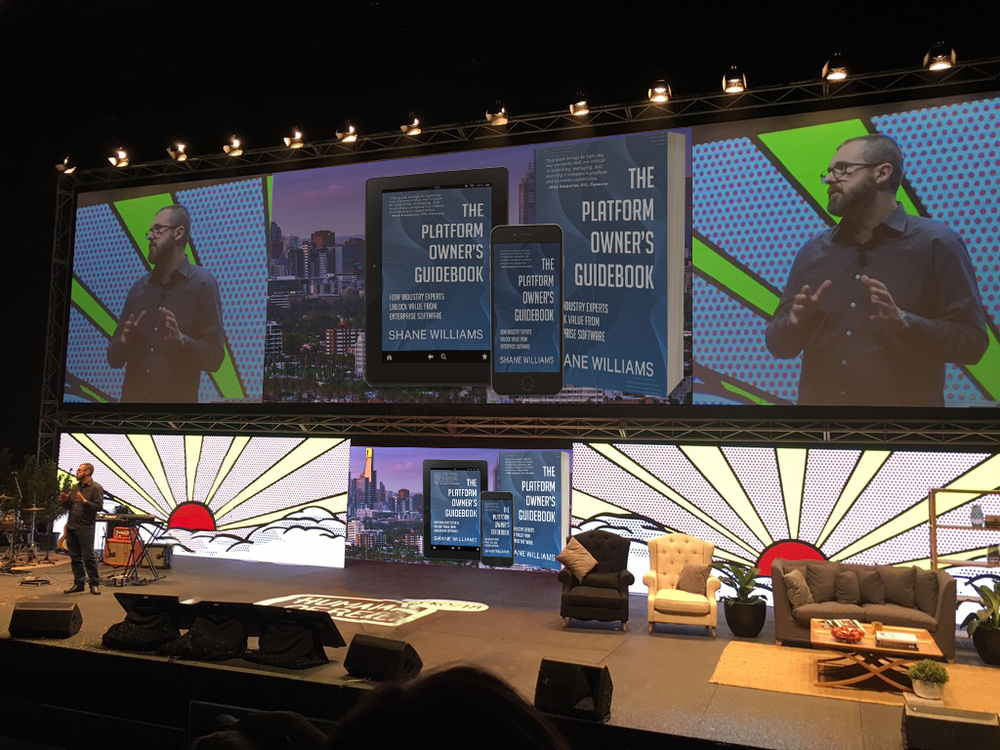
I spent two decades running technology through the growth, transformation and succession of some of Australia’s most complex businesses, including News Corp and REA Group. I’ve been in the room when businesses were bought, sold and handed over. I know what a buyer’s advisers find, what a new CEO walks into and what the next generation inherits, usually after it’s too late to fix cheaply.
I’m a technologist, not a generalist. I still read the architecture diagrams, the security reports and the vendor contracts myself. I just report back in English.
The years since have been spent where that experience does its best work: the sheds, packhouses, factories and boardrooms of family businesses, and behind the microphone of the My Shout and Manufacturing Tech Australia podcasts. I’m industry-agnostic by design. Whether you make it, grow it, move it or build it, the pattern is the same: when the business depends on a person, the person can’t leave and the business can’t change hands.

Find out what’s really changing hands
A thirty-minute call. Tell me where the business is and where you’d like it to be in one to five years. If I’m not the right person, I’ll say so and point you at someone who is.
We’ll get clear on:
- how much of the business depends on people, paper and know-how
- what that does to the paths open to you
- what the technology roadmap has to do first, and what can wait
Shane Williams Executive. Independent technology advice to the boards, owners and buyers of family businesses. Based in Melbourne, working across Australia and New Zealand. No delivery work, no reselling, no vendor alignment.
Questions
FAQ
Do I have to be planning to leave?
No. Most of the owners I work with aren’t going anywhere soon. Stepping back to the board, appointing a CEO, bringing in a partner or handing over gradually to the next generation all need the same thing: a business that runs on its systems rather than on any one person. That’s the work, whether or not you ever sell.
Who do you report to?
The owners, and whoever sets the direction. In some businesses that’s a formal board. In plenty it’s the owner, another family member, the CEO and the CFO around a table. Either way I stay out of execution. That keeps the work where the risk and the value actually sit, and it stops me becoming one more person everything routes through.
Can you help us assess a proposal, renewal or price increase?
Yes, and it’s some of the most useful work I do. I translate what’s being proposed, test the assumptions and the dependencies commercially, and tell you what you’re actually being asked to approve, in plain English. Then you can approve a clear business decision rather than a bundle of technical work on faith.
Do you deliver projects or implement systems?
No. I’m independent advisory. Your internal IT team, managed service provider, integrators and software vendors do the delivery. I set the direction with you, test what they propose, and make sure you know what it’s for, what it’s worth and whether it’s on track.
Will you replace our current IT provider?
No. I’m not after delivery work and I don’t resell anything. If a provider is the wrong fit I’ll tell you, but I’m not the alternative.
Can you help us buy a business?
Yes. Technology due diligence for buyers and their boards: what you’re actually buying across the platforms, the data, the security and the contracts, what walks out the door with the founder, what it costs to fix and what belongs in the sale agreement.
We’re a family office investing in a technology business. Is that you?
Yes. You want to know whether the asset is real: whether the product is sound, secure and built to scale, and whether the people behind it are credible. I spent two decades inside large technology operations, including REA Group, and I know what a real one looks like from the inside.
When should we bring you in?
Before the decision, not after it. Ideally one to five years before a change of hands, two years before a sale, before you sign anything if you’re buying, and before you approve the next big technology proposal if you can’t explain it to yourself.
Page updated